

We are a professional review company that receives compensation from companies whose products we review. We test each product thoroughly and give high marks only to the ones that are the very best. We are independently owned, and the opinions expressed here are our own.
Danielle Armour’s Awaken Your Body, Awaken Your Desire is a transformative guide that helps women reconnect with their bodies and rediscover their sexual wellness. This book offers a refreshing perspective on sexual health, empowering women to reclaim intimacy, pleasure, and self-compassion. Through a blend of scientific insights, somatic practices, and emotional healing, Armour provides practical tools that can be integrated into daily life to promote lasting, embodied transformation.
A Compassionate Approach to Sexual Wellness

From the very first pages, it’s clear that Awaken Your Body, Awaken Your Desire takes a compassionate approach to sexual wellness. Unlike many books that present a clinical or prescriptive view of sexuality, Armour focuses on addressing the emotional and physical barriers that women face in the realm of intimacy. She introduces the concept of “sexual wellness barriers” rather than medical “disorders,” allowing women to explore their challenges without feeling labeled or stigmatized.
The book is divided into sections that not only focus on the physical aspects of sexual health but also delve into the emotional and psychological factors that can affect a woman’s connection to her body. By categorizing challenges into clear, relatable terms—such as low self-esteem, poor body image, and unspoken trauma—Armour creates a safe space for women to reflect on their own experiences.
I have discussed what kills sexual drive in women previously on this blog.
A Holistic Toolkit for Healing
One of the most powerful aspects of this book is the “Somatic Toolkit” presented in Chapter 14. Armour pulls together a variety of body-based practices, including breathwork, yoga postures, meditation, and journaling prompts. These exercises are designed to calm the nervous system, build body awareness, and re-establish a deep connection to self. The practices are not meant to be completed in a single sitting; instead, they serve as a resource that readers can return to repeatedly as part of their healing journey.
These exercises are specifically designed to support the embodiment process and help women break free from stress patterns and emotional blocks. The idea isn’t to achieve perfection but to create a rhythm that works for each individual—something Armour emphasizes throughout the book. It’s a slow, intentional process where each practice offers an opportunity to reconnect with the body and rewire old patterns.
Self-Compassion and Emotional Healing
In addition to the physical practices, Awaken Your Body, Awaken Your Desire stresses the importance of emotional healing. Armour introduces the idea that many women struggle with silent, invisible blocks—things like low self-esteem, poor body image, and trauma—that deeply affect their ability to experience pleasure and intimacy. These challenges often go unrecognized, but they shape a woman’s connection to her body and her ability to feel desire.
Armour gently guides readers through the process of recognizing and addressing these emotional barriers. She provides a thoughtful self-assessment tool that helps women pinpoint the specific concerns they may be dealing with, giving them the clarity and understanding needed to move forward. By integrating emotional healing with body-based practices, Armour offers a holistic approach that nurtures both the mind and body.
In my article How Self Love Can Help You Heal, I share how these things impact women’s self-image.
Building Sensual Awareness
A core theme of the book is the idea that pleasure isn’t something that needs to be “fixed” or “achieved.” Instead, it’s a state that can emerge naturally when we reconnect with our bodies and cultivate an awareness of sensuality. Armour explains that this process involves regulating the nervous system, developing self-attunement, and allowing the body’s natural neurochemicals—such as dopamine and serotonin—to support a healthy experience of pleasure.
The book offers a 30-day plan with clear, actionable steps that help women slowly rebuild their sexual and emotional well-being. It’s not about rushing to fix things; it’s about gently working through the barriers and celebrating the small wins along the way. Armour encourages women to be patient with themselves, reminding them that progress isn’t about perfection—it’s about honoring the journey.
Dopamine, Serotonin, and the Neurochemicals Behind Pleasure
One of the key scientific aspects Awaken Your Body, Awaken Your Desire addresses is the role of neurochemicals in sexual pleasure and overall emotional well-being. Armour emphasizes the importance of dopamine and serotonin, two chemicals that play a crucial role in regulating mood, motivation, and our ability to experience pleasure.
- Dopamine: Often referred to as the “motivation molecule,” dopamine is responsible for creating the feeling of desire and anticipation. Armour explains how it fuels the excitement and drive for intimacy. However, stress and negative emotional patterns can block dopamine production, leaving us feeling disengaged or unmotivated. By practicing the somatic exercises in the book, such as breathwork and mindfulness, women can help regulate dopamine levels and restore the body’s natural drive toward connection and pleasure.
(For more on dopamine and its effects on desire, check out my article on how dopamine influences sexual drive.) - Serotonin: Known for its calming effects, serotonin is the chemical that stabilizes mood and contributes to feelings of well-being and happiness. Armour ties the production of serotonin to emotional safety and comfort, both essential for sexual enjoyment. When we feel emotionally secure and balanced, serotonin is produced, making it easier to relax and embrace intimacy.
- Oxytocin: Often called the “love hormone,” oxytocin plays a significant role in bonding and trust. Armour emphasizes that this hormone is naturally released during moments of physical closeness, such as hugging, kissing, or touching, making it easier to engage in and enjoy sexual connection. Oxytocin deepens emotional intimacy and satisfaction, which makes it a vital part of the healing process discussed in the book.
The key takeaway? Sexual wellness and desire are not just physical—they are deeply connected to our brain chemistry. Understanding how these neurochemicals work can empower women to take charge of their own pleasure and intimacy.
Empowerment Through Knowledge and Practice
What stands out most about Awaken Your Body, Awaken Your Desire is the way it empowers women through knowledge and practical tools. Armour provides not just information, but a step-by-step guide that can be personalized based on individual needs. The book’s structure makes it easy to follow and return to, offering women a roadmap for lasting change.
Whether dealing with specific sexual health concerns, emotional blocks, or simply wanting to reconnect with one’s body, this book offers a clear, compassionate, and science-backed approach. By integrating both physical practices and emotional healing, Armour helps women rediscover their sexual selves in a way that feels empowering and authentic.
Awaken You Body Awaken You Desire Is Groundbreaking
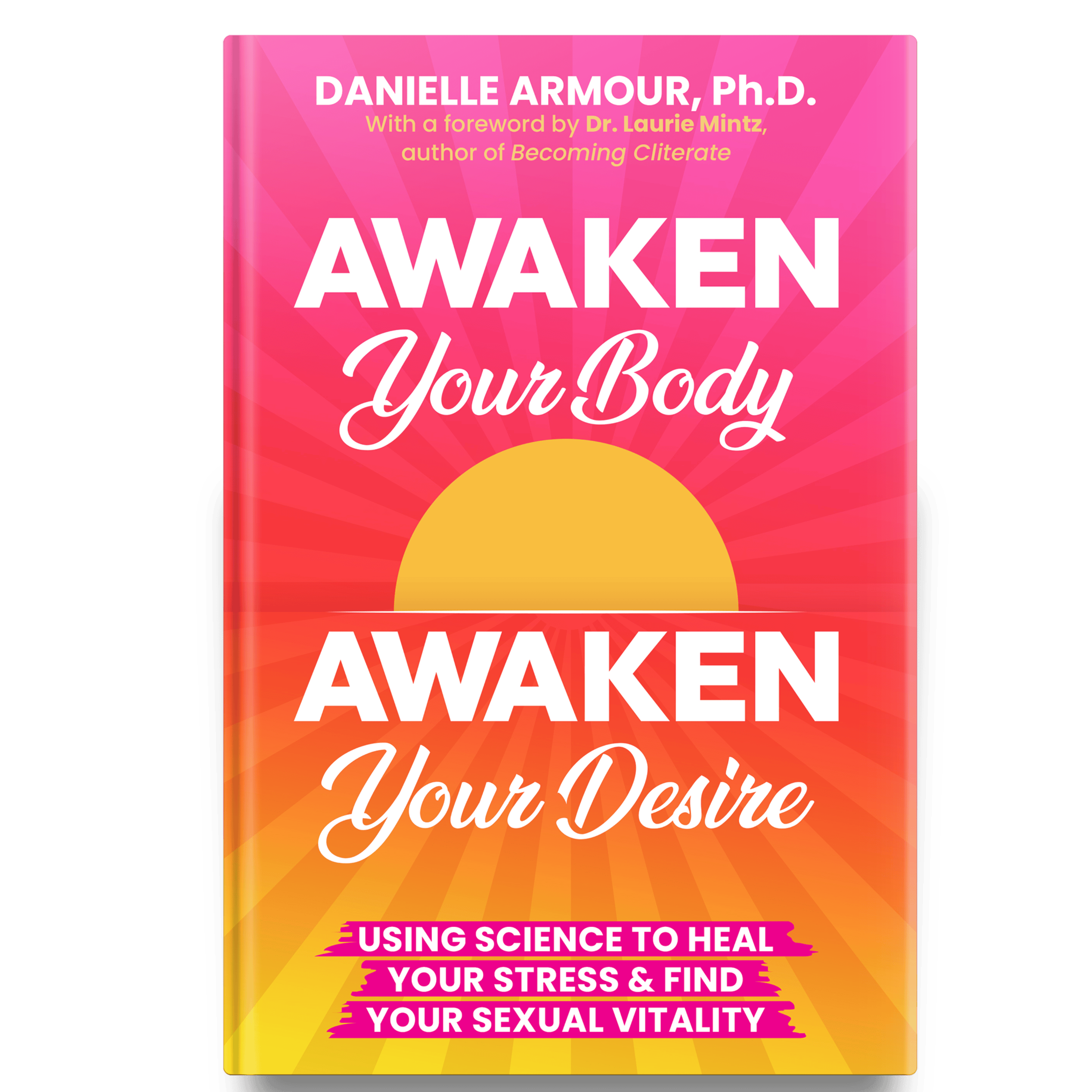
Awaken Your Body, Awaken Your Desire is a groundbreaking book that goes beyond traditional discussions of sex and pleasure. With its emphasis on somatic healing, mindfulness, and self-compassion, Danielle Armour has created a resource that not only helps women understand their bodies but also gives them the tools to reconnect with their desire and pleasure. This book is a must-read for any woman who feels disconnected from her body or her sexual self, offering both the knowledge and the practice to heal and thrive.
Find Awaken Your Body, Awaken Your Desire by Danielle Armour on major online retailers such as Amazon and wherever books are sold.
Dating Coach Rickard Österholm.



What do you think about the article you've just read? Please tell me below.