

We are a professional review company that receives compensation from companies whose products we review. We test each product thoroughly and give high marks only to the ones that are the very best. We are independently owned, and the opinions expressed here are our own.
If you’ve ever laughed, sneezed, coughed, or exercised and noticed a small leak, you’re definitely not alone.
For years, I assumed bladder control issues were simply something women had to accept as they got older. Many women believe the same thing. But what surprised me was learning how much of a role the pelvic floor can play.
The pelvic floor is a group of muscles that helps support your bladder, bowel, and other organs. Like any other muscles in the body, these muscles can weaken over time.
The good news?
There are simple pelvic floor exercises that many women can do at home.
What Is the Pelvic Floor?
Your pelvic floor is a group of muscles that sits like a supportive hammock at the bottom of your pelvis.
These muscles help:
- Support the bladder
- Support the bowel
- Support the uterus
- Assist with bladder control
When these muscles become weaker, some women notice symptoms such as:
- Frequent urination
- Bladder leaks
- A stronger urge to urinate
- Difficulty holding urine for long periods
So, if you’ve ever asked yourself, “Why do I pee so much at night?” here are a few reasons you may be experiencing it.
Can a Weak Pelvic Floor Cause Frequent Urination?
In some cases, yes.
A weakened pelvic floor may make it harder to control the bladder effectively. While it isn’t the only possible cause of frequent urination, it can contribute to symptoms for some women.
This is especially common after:
- Pregnancy and childbirth
- Menopause
- Aging
- Periods of reduced physical activity
That’s why pelvic floor strength is often discussed as part of a broader bladder health strategy.
For more insights, read more about when a weak pelvic floor is the cause of frequent urination.
Simple Pelvic Floor Exercises You Can Try at Home
Kegels
Kegels are one of the most well-known pelvic floor exercises.

To perform a Kegel:
- Tighten the muscles you would use to stop urination.
- Hold for a few seconds.
- Relax completely.
- Repeat several times.
Pelvic Tilts
Pelvic tilts help engage the core and pelvic floor simultaneously.
They are gentle, beginner-friendly, and require no special equipment.

Bridge Exercise
The bridge exercise can help strengthen the muscles around the hips, core, and pelvic region.
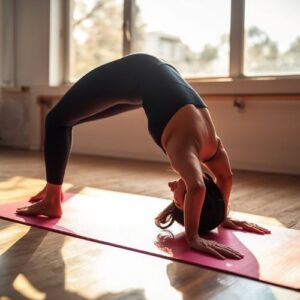
Many women find it easy to include in a simple at-home routine.
If you want more inspiration, read my article on how you may prevent frequent urination at home with these pelvic floor exercises.
Common Mistakes Women Make
One mistake is trying to do too much too quickly.
Pelvic floor exercises are often more effective when performed consistently rather than aggressively.
Another common mistake is forgetting to relax between repetitions.
Like any muscle group, the pelvic floor benefits from both contraction and relaxation.
Sometimes, understanding the causes and testing the exercises I discussed above may help you, and other times, you need more help.
When to Seek Professional Advice
If bladder leaks, urgency, or frequent urination are becoming a regular problem, it may be worth discussing your symptoms with a healthcare professional.
Sometimes pelvic floor weakness is only one part of the picture.
My Personal Thoughts
One thing I’ve learned over the years is that many women assume bladder control issues are something they simply have to live with.
But that’s not always true.
Small, consistent changes can often make a meaningful difference.
Whether that means pelvic floor exercises, lifestyle changes, or additional support, the most important step is recognizing that you have options.
Final Thoughts
Pelvic floor exercises are simple, accessible, and often worth considering if you’re concerned about bladder control.
While they aren’t an overnight fix, many women find that consistent practice helps them feel more confident and more in control.
If you’re interested in learning more, you may also enjoy my articles about frequent urination at night, menopause-related bladder changes, and how pelvic floor weakness may contribute to urinary symptoms.
April D. Long




What do you think about the article you've just read? Please tell me below.