
We are a professional review company that receives compensation from companies whose products we review. We test each product thoroughly and give high marks only to the ones that are the very best. We are independently owned, and the opinions expressed here are our own.
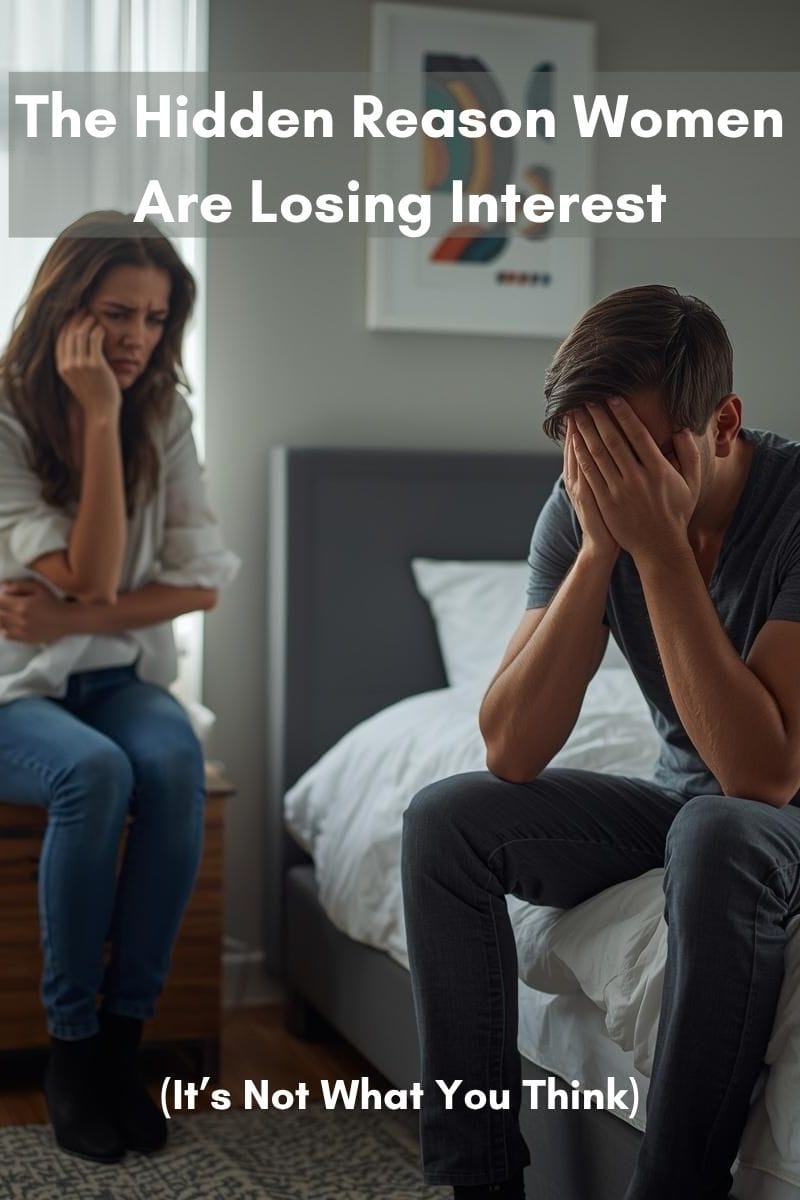
When a woman loses interest…
Most men look for a clear explanation.
They assume it was something specific:
- something they said
- something they did
- something they should have done differently
But in most cases…
👉 the real reason isn’t obvious
And that’s what makes it so frustrating.
It’s Rarely About One Thing
A common mistake is trying to identify a single turning point.
A moment where everything changed.
But attraction doesn’t usually work that way.
It’s not:
- one wrong message
- one awkward interaction
- one missed opportunity
Instead…
👉 it’s a gradual shift in how she feels
The Difference Between Logic and Emotion
Many men approach dating from a logical perspective.
They think:
- “I treated her well”
- “We had good conversations”
- “Things were going fine”
And all of that may be true.
But attraction isn’t based on logic alone.
It’s based on:
- emotional engagement
- curiosity
- tension
- how she experiences interactions with you
When that experience changes…
👉 interest follows
The Subtle Emotional Shift
In the beginning, there’s often:
- anticipation
- uncertainty
- excitement
Neither person knows exactly what will happen next.
That uncertainty creates emotional intensity.
But over time, something can change.
The interaction becomes:
- more predictable
- more structured
- less emotionally engaging
And while stability is important…
👉 too much predictability reduces emotional impact
When the Dynamic Becomes Unbalanced
Another important factor is the balance of investment.
Attraction tends to work best when:
- both people are engaged
- both are contributing
- neither is overcompensating
But when one person starts to:
- invest significantly more
- initiate more often
- adjust their behavior to maintain connection
👉 the dynamic shifts
And that shift can reduce attraction rather than strengthen it.
Why Effort Alone Doesn’t Fix It
When men notice a drop in interest, they often respond by increasing effort.
- more communication
- more availability
- more attempts to reconnect
While well-intentioned…
This approach can create pressure.
And pressure changes the emotional experience.
Instead of feeling natural and engaging…
👉 the interaction starts to feel forced
The Underlying Psychological Pattern
At its core, attraction is influenced by:
- emotional variability
- perceived value
- the balance between closeness and space
When those elements are out of balance…
Interest can fade — often without a clear explanation.
If you want a deeper look at how this dynamic develops over time, it’s helpful to understand why men lose women without realizing it.
Recognizing This Early
Because this shift is gradual, it often goes unnoticed.
Some common early indicators include:
- reduced enthusiasm in communication
- less initiative from her side
- a general sense of distance
These signs don’t always mean the connection is lost.
But they do signal a change in dynamics.
What This Means in Practice
Understanding this pattern changes how you interpret situations.
Instead of focusing on:
- what went wrong
- what to say next
- how to fix things immediately
You start to see:
👉 how emotional dynamics influence attraction
And that awareness allows for better decisions moving forward.
It’s Not About Control
One of the biggest misconceptions is that attraction can be controlled through the “right” actions.
In reality, it’s less about control…
👉 and more about understanding
Once you understand the underlying dynamics:
- you avoid overcorrecting
- you avoid creating pressure
- you avoid unintentionally reducing attraction
Then you can avoid activating this psychological switch that makes women pull away.
Final Thoughts
When a woman loses interest, it’s rarely random.
It’s usually the result of subtle shifts in:
- emotional engagement
- interaction patterns
- overall dynamic
These changes are easy to miss in real time.
But once you recognize them…
👉 they become much easier to understand — and respond to effectively
Rickard



What do you think about the article you've just read? Please tell me below.